Find the perfect crewneck sweatshirt fabric! Understand GSM, fleece, & blends for comfort. Get factory-direct pricing now! Crewneck Sw...
Find the perfect crewneck sweatshirt fabric! Understand GSM, fleece, & blends for comfort. Get factory-direct pricing now!
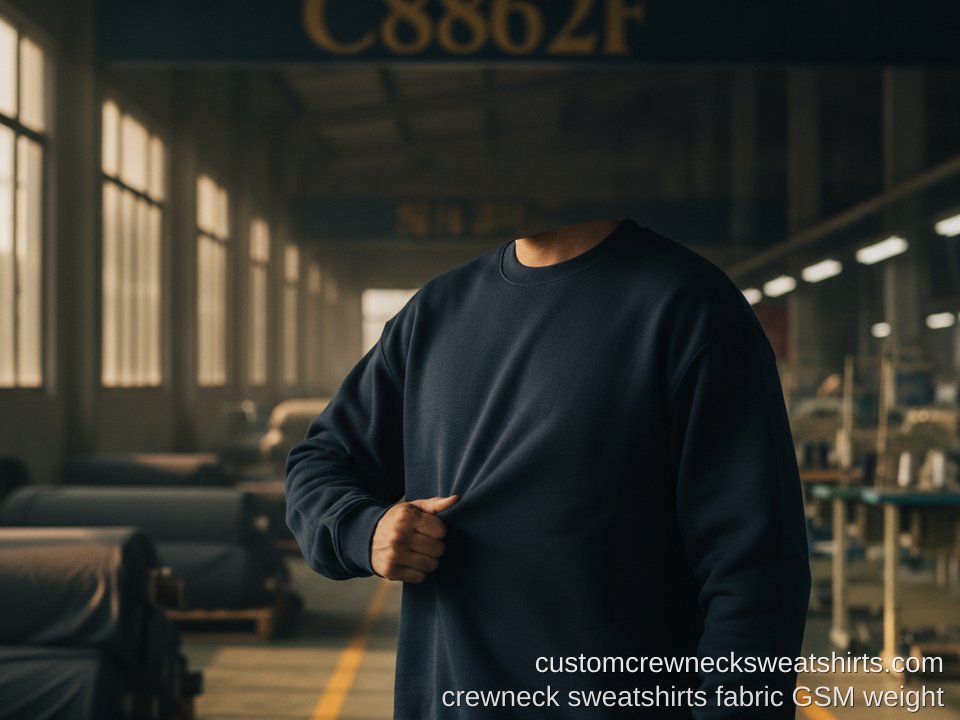
Crewneck Sweatshirts Fabric Guide: GSM, Fleece, French Terry & Performance Blends
Selecting the right fabric for custom crewneck sweatshirts is paramount for ensuring quality, comfort, and durability. For technical buyers and brand owners, understanding fabric specifications like GSM, weave, and material composition is crucial. This guide delves into the key fabric types and their properties, helping you make informed decisions for your next production run. The primary consideration for many is the crewneck sweatshirts fabric GSM weight, which dictates the thickness and warmth of the garment.
At Custom Crewneck Sweatshirts, operated by Gold Garment in Ho Chi Minh City, Vietnam, we specialize in manufacturing high-quality custom apparel. Our expertise spans various fabrications, ensuring we can meet diverse client needs. Understanding the nuances of different materials is a cornerstone of effective Vietnam textile sourcing, as detailed in our guide at Vietnam textile sourcing.
The choice of fabric directly impacts the feel, drape, and performance of your finished crewneck sweatshirts. Whether you're aiming for a cozy, everyday staple or a high-performance athletic wear piece, the material composition is the first step. This comprehensive sweatshirt GSM guide will equip you with the knowledge to specify precisely what you need.
Understanding GSM Weight in Crewneck Sweatshirts
GSM, which stands for grams per square meter, is the standard unit of measurement for fabric weight. It indicates how much a square meter of the fabric weighs. For crewneck sweatshirts, GSM is a critical metric that influences the garment's:
- Warmth: Higher GSM generally means a thicker, warmer fabric.
- Durability: Heavier fabrics often offer greater resilience and longevity.
- Drape: The way the fabric hangs and moves.
- Feel: Lighter GSM can feel softer and more breathable, while heavier GSM provides a more substantial feel.
The typical range for crewneck sweatshirts fabric GSM weight falls between 200 GSM and 500 GSM. Lighter weights (200-280 GSM) are suitable for transitional weather or layering, offering breathability. Mid-weights (280-380 GSM) are the most common, providing a good balance of warmth and comfort, ideal for everyday wear. Heavyweights (380-500+ GSM) are for extreme warmth and a premium, substantial feel.
Exploring Common Crewneck Sweatshirt Fabrics
The most prevalent fabrics used in custom crewneck sweatshirts are variations of cotton and polyester blends, each offering distinct characteristics. Understanding these differences is key to achieving the desired aesthetic and functionality for your brand. We'll explore the popular options, including fleece and French terry.
Cotton Fleece
Cotton fleece is a beloved fabric for its exceptional softness and warmth. It's created by raising the fibers on one side of the fabric, resulting in a brushed, fuzzy texture known as 'napping'. The other side is typically a smooth knit. This construction traps air, providing excellent insulation.
Key Characteristics of Cotton Fleece:
- Softness: The brushed interior is incredibly comfortable against the skin.
- Warmth: Excellent thermal properties due to trapped air.
- Breathability: While warm, good quality cotton fleece still allows for some air circulation.
- Drape: Tends to have a relaxed, comfortable drape.
- Shrinkage: Can be prone to shrinkage if not pre-shrunk or washed incorrectly.
Fleece is a popular choice for casual wear, loungewear, and promotional items where comfort is a priority. The crewneck sweatshirts fabric GSM weight for fleece often ranges from 280 GSM to 450 GSM, depending on the desired level of warmth.
French Terry
French terry is another highly popular fabric, particularly for its versatility and unique texture. Unlike fleece, French terry is not brushed on the inside. Instead, it features small loops on the reverse side, which are formed by pulling yarn from the face fabric to the back. This construction makes it lighter and more breathable than fleece.
Key Characteristics of French Terry:
- Texture: Smooth on the outside, with characteristic loops on the inside.
- Breathability: More breathable than fleece, making it suitable for warmer climates or activewear.
- Absorbency: The loops are highly absorbent, wicking moisture away from the body.
- Drape: Offers a smoother, more refined drape than fleece.
- Weight: Typically lighter than fleece, with common GSM ranging from 200 GSM to 350 GSM.
French terry crewneck sweatshirts are ideal for spring and autumn wear, athleisure, and garments that require good moisture-wicking properties. Its smooth outer surface also makes it an excellent canvas for printing and embellishments.
Cotton vs. Polyester Blends
While 100% cotton is an option, most custom crewneck sweatshirts utilize blends of cotton and polyester. These blends offer a balance of the desirable properties of both fibers.
Cotton-Polyester Blends (e.g., 80/20 Cotton/Poly):
- Durability: Polyester enhances the fabric's resilience and resistance to stretching and shrinking.
- Wrinkle Resistance: Blends tend to wrinkle less than 100% cotton.
- Color Retention: Polyester helps maintain vibrant colors over time.
- Drying Time: Blends dry faster than pure cotton.
- Feel: The feel can vary, but generally, they offer a good balance of softness and structure.
Understanding the ratio of cotton to polyester is key. Higher cotton content will feel softer and more natural, while higher polyester content will increase durability and reduce shrinkage. This is a crucial factor when considering crewneck sweatshirts fabric GSM weight.
Performance Blends
For athletic wear or garments requiring advanced functionality, performance blends are the go-to choice. These often incorporate synthetic fibers like polyester, nylon, spandex, or specialized moisture-wicking treatments.
Key Features of Performance Blends:
- Moisture-Wicking: Designed to draw sweat away from the skin and promote rapid evaporation.
- Stretch and Recovery: Spandex or elastane provides flexibility and ensures the garment retains its shape.
- Breathability: Engineered for maximum airflow to keep the wearer cool.
- Lightweight: Often lighter in weight for ease of movement, with GSM typically ranging from 180 GSM to 280 GSM.
- Odor Control: Some blends feature antimicrobial treatments to resist odor.
These fabrics are ideal for activewear brands, gyms, and sports teams. The technical specifications of these blends are critical for ensuring optimal performance. As a leading Vietnam streetwear clothing manufacturer, we have extensive experience working with these advanced materials, as demonstrated by Vietnam streetwear clothing manufacturer.
Comparing Fleece vs. Jersey Crewneck Sweatshirts
The distinction between fleece and jersey is fundamental when discussing sweatshirt construction. While both are knit fabrics, their finishing processes create distinct differences.
Fleece: As discussed, fleece is characterized by a brushed, fuzzy interior designed for warmth and comfort. It's a heavier fabric with a plush feel. Think of traditional, cozy sweatshirts.
Jersey: Jersey fabric, in the context of sweatshirts, often refers to a lighter-weight knit with a smoother surface, akin to a t-shirt fabric but typically heavier. It can be a single knit (like a t-shirt) or a double knit. While less common for the main body of a heavy sweatshirt, it can be used for lighter-weight hoodies or as a lining. When people refer to a lighter sweatshirt fabric that isn't French terry, it's often a type of jersey knit. The comparison of fleece vs jersey crewneck sweatshirts highlights the trade-off between plush warmth and lighter, more breathable wear.
For those seeking a comprehensive overview of different sweatshirt styles, our Sweatshirt Styles Guide offers valuable insights.
Key Fabric Considerations for Buyers
When specifying your custom crewneck sweatshirts, several factors should guide your fabric selection:
- Intended Use: Will the sweatshirts be for casual wear, activewear, promotional items, or workwear?
- Climate: Consider the typical weather conditions of your target market.
- Brand Aesthetic: Does your brand emphasize comfort, luxury, performance, or sustainability?
- Budget: Different fabric compositions and weights will impact pricing.
- Care Instructions: How will the end-user care for the garment? Some fabrics require more specific washing.
- Decoration Method: Certain fabrics are better suited for specific printing or embroidery techniques.
At Gold Garment, we understand that the crewneck sweatshirts fabric GSM weight and material composition are critical to your product's success. Our team can guide you through these choices to ensure you achieve the perfect garment. We offer factory-direct pricing, with a manageable MOQ of 100 pcs per style, making custom production accessible. Learn more about our manufacturing process in How crewneck sweatshirts Are Made: The Complete Manufacturing Process Explained.
Frequently Asked Questions
Q: What is the best fabric for a lightweight crewneck sweatshirt?
A: For a lightweight crewneck sweatshirt, French terry in the 200-280 GSM range is often ideal. It offers good breathability and a comfortable feel without being too heavy, making it suitable for milder weather or layering.
Q: How does fabric GSM affect the durability of a crewneck sweatshirt?
A: Generally, a higher GSM weight indicates a denser and thicker fabric, which often translates to greater durability and resistance to wear and tear. However, the fiber content and construction also play significant roles in a garment's longevity.
Q: Can I get custom crewneck sweatshirts made with sustainable fabrics?
A: Yes, many manufacturers, including Gold Garment, offer custom crewneck sweatshirts made from sustainable materials like organic cotton or recycled polyester blends. We can discuss these options to align with your brand's values.
Q: What is the typical MOQ for custom crewneck sweatshirts?
A: Our standard Minimum Order Quantity (MOQ) for custom crewneck sweatshirts is 100 pieces per style. This allows us to provide factory-direct pricing and cater to a wide range of clients. You can find more details in our crewneck sweatshirts MOQ Guide.
Choosing the right fabric is a critical step in creating exceptional custom crewneck sweatshirts that meet your brand's quality and performance standards.
Partner with us for your next custom crewneck sweatshirt order and experience the benefits of factory-direct pricing and world-class manufacturing.
📩 Request a Free Quote — Response Within 5 Minutes
🌎 Website: customcrewnecksweatshirts.com
Factory-direct pricing · MOQ from 100 pcs/style · Sample development · Worldwide shipping


